

Aviation Safety, Dehydration Physiology & Operational Relevance for Long-Duration GA Flight
It all begins with an idea.
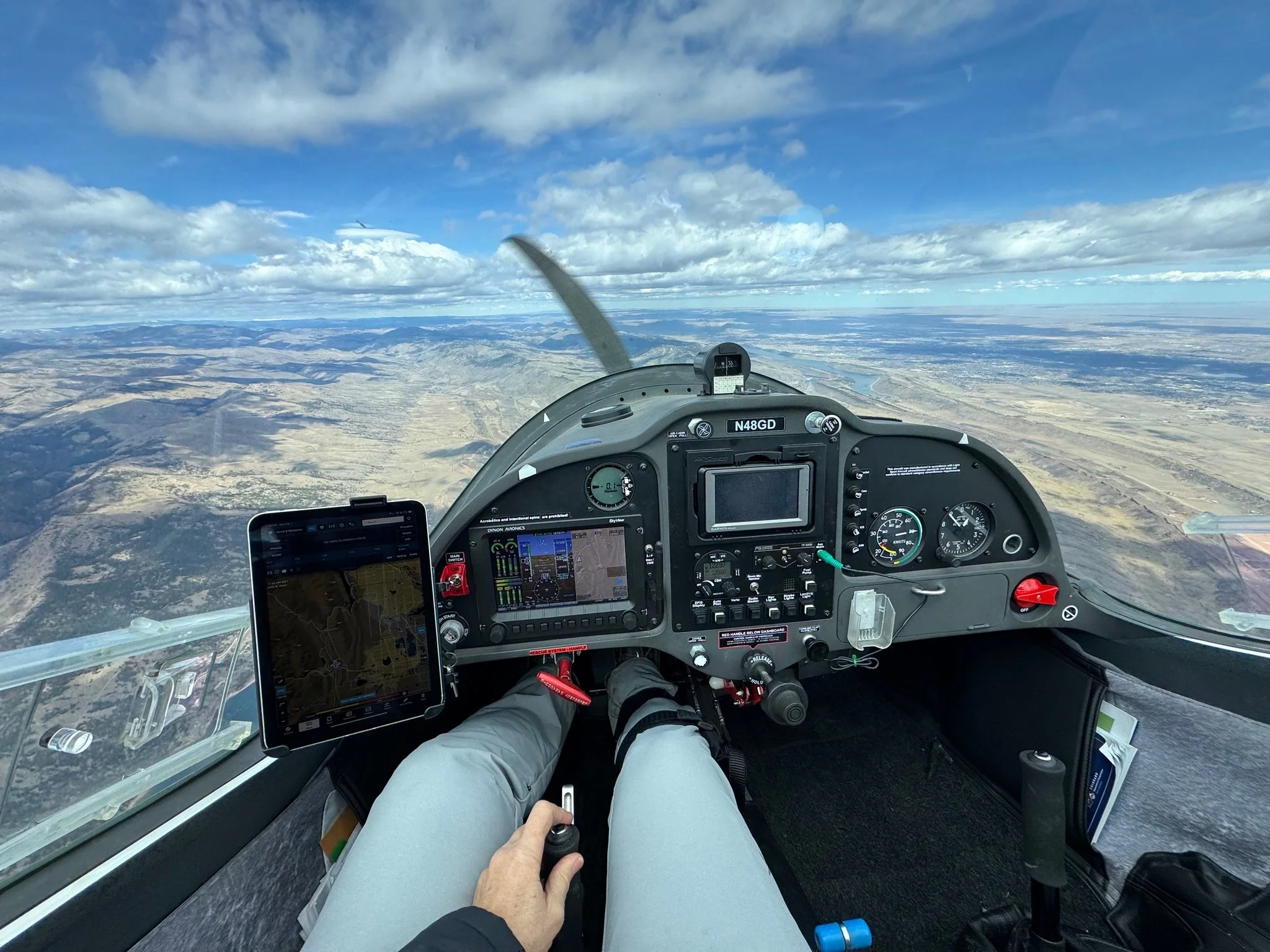
Hydration at Altitude: Why Pilots Need a Plan for In-Flight Relief
For women flying long cross-country routes or spending hours soaring, staying hydrated involves more than remembering a water bottle. It also requires a practical answer to an uncomfortable question: What happens when you need to go?
A long flight takes preparation. Pilots review the weather, calculate fuel requirements, inspect the aircraft, and consider their own readiness.
But one practical challenge can quietly influence that preparation: the absence of a restroom.
In a small general aviation aircraft or glider, urinating can be awkward, difficult, or seemingly impossible. For women, limited space, clothing, harnesses, and a reclined seating position can make the challenge even greater.
Restricting fluids may feel like the easiest way to avoid the problem. Yet that decision introduces another concern: dehydration.
The Hydration Dilemma
The reasoning is understandable: drink less before takeoff, need fewer bathroom breaks during flight.
This deliberate fluid restriction is sometimes called voluntary or strategic dehydration. It reflects a practical barrier. Knowing that hydration matters does little to resolve the logistics of bladder relief in a narrow cockpit.
A useful approach to pilot hydration therefore needs to address both sides of the equation:
Access to drinking water.
A workable plan for bladder relief.
Without the second, the first can be harder to put into practice.
What Research Says About Mild Dehydration
Hydration research offers reasons to take even modest fluid losses seriously, although findings vary by study, participant, and task.
A 2011 study in healthy young men found that mild dehydration adversely affected aspects of vigilance, working memory, and mood. A separate study in healthy young women found increased fatigue, headaches, difficulty concentrating, and perceived task difficulty, while most measured cognitive performance outcomes were not substantially affected.
These distinctions matter. The research does not establish a universal percentage at which every pilot becomes impaired, and laboratory findings are not direct measurements of cockpit performance.
Still, the operational relevance is clear: concentration, alertness, and mental stamina are resources pilots rely on throughout a flight. Hydration deserves a place in the preparation that supports them.
Why Long Flights Deserve Extra Attention
A pilot’s hydration needs depend on the conditions as well as the clock.
Heat, time aloft, and the cockpit environment can influence fluid balance. FAA training material identifies prolonged flying in hot temperatures and exposure to dry air at altitude as circumstances that increase susceptibility to dehydration.
For soaring pilots, these considerations can overlap. A flight may involve a sunlit canopy, several hours in the seat, and limited opportunities to land.
That makes hydration a planning issue from the beginning of the flight.
The Other Half of the Problem: Cockpit Access
For women, an in-flight relief solution must work within the realities of the aircraft.
A device that is convenient while standing beside a vehicle may be difficult to use while seated, reclined, and secured by a harness. Cockpit compatibility involves more than the shape of a funnel.
Practical questions include:
Can the interface be positioned while seated?
Is it accessible with the clothing worn during flight?
Can tubing be routed clear of controls and harness hardware?
Where will the collection container sit?
Does the arrangement depend on gravity?
How much movement and attention does use require?
These questions help explain why general travel products and aviation-focused systems may offer different experiences.
The relevant test is whether a system works in the pilot’s actual seating position and cockpit arrangement.
Making Hydration More Practical
The Female Range Extender, or FRE, is being developed around this practical challenge: helping female pilots manage bladder relief during flight.
Its purpose is to make the logistics of long flights more manageable, including the concern that drinking water will create a problem later.
That purpose should be distinguished from a clinical or flight-safety claim. Research on dehydration supports taking hydration seriously, but it does not, by itself, demonstrate that a particular relief device prevents impairment or reduces accidents.
The product’s value rests on how effectively it meets its users’ needs: fit, access, containment, ease of use, and compatibility with the cockpit.
Bring Bladder Relief Into Preflight Planning
Hydration and bladder relief belong in the same conversation.
When evaluating a setup for a long flight, consider:
Duration: How long might the flight last, including delays or changes in conditions?
Environment: Will heat or prolonged sun exposure affect comfort?
Access: Can drinking water and relief equipment be reached from the seat?
Fit: Does the system work with the pilot’s clothing, harness, and seating position?
Routing: Are tubing and collection components secure and clear of controls?
Familiarity: Has the arrangement been evaluated on the ground before use in flight?
Planning these details ahead of time makes it easier to identify limitations while there is time to address them.
A More Complete Approach to Pilot Comfort
Women flying long missions should have practical equipment choices that account for their bodies and the aircraft they fly.
In-flight relief is part of that conversation. By addressing a basic human need within the constraints of the cockpit, a thoughtfully designed system can make hydration planning more workable.
For FRE, that is the problem worth solving: giving female pilots a practical way to manage bladder relief so they can approach longer flights with greater preparation and confidence.
Compiled By
Compiled by Liveware Performance Group, Ltd. | September 2026